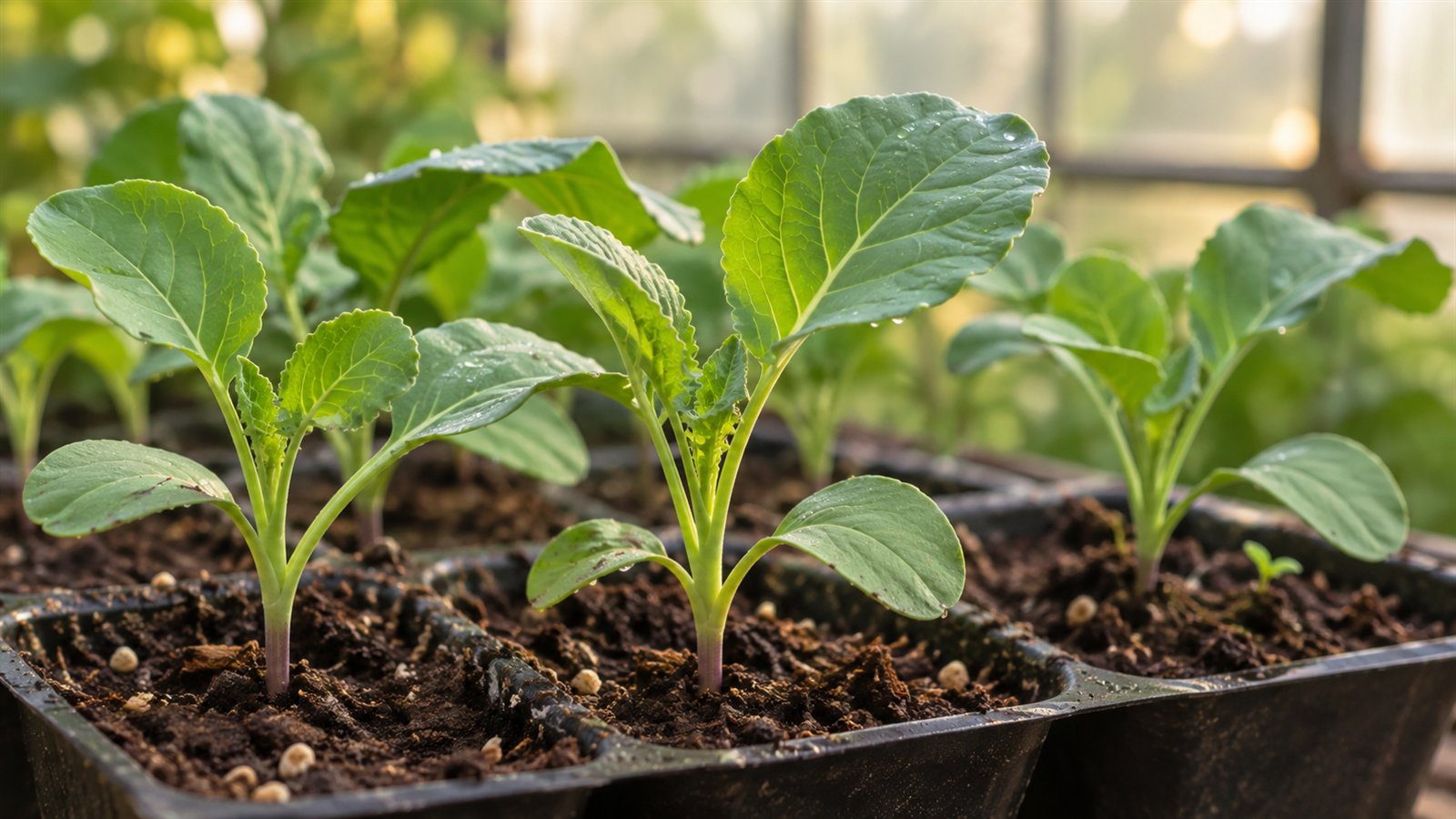
01 / Moving outdoors
Know which plants you are moving
Identify the crop before planning its move outdoors. Illinois Extension explains that cold tolerance differs between cool-season and warm-season vegetables. A routine suitable for one group may expose another to unsuitable conditions.
Keep the crop name with each tray and look up planting guidance for your location. Record two separate questions: “How will I introduce outdoor exposure?” and “When will outdoor planting conditions suit this crop?” Answering the first does not settle the second. Source: Illinois Extension.
02 / Moving outdoors
Begin with shelter, then build exposure
Choose a shaded outdoor spot protected from wind for the initial transition. Iowa State Extension recommends gradually increasing exposure to direct sun and watching plants closely during the process.
Arrange the containers somewhere you can check them and move them back under protection. Before setting them out, decide where they will go if conditions worsen. Strong winds, severe storms, or threatened overnight frost are reasons to bring plants indoors. Treat exposure as something to adjust alongside the weather and the plants’ condition. Source: Iowa State Extension.
03 / Moving outdoors
Keep moisture checks in the routine
Observe the plants and their growing medium throughout the transition. Illinois Extension cautions against allowing seedlings to wilt during hardening off. Deliberately drying them until they wilt is not a useful target.
Make moisture checks part of moving the trays, rather than assuming yesterday’s watering is enough. A short note about what you observed can help you keep track of different trays without creating a rigid watering calendar. This note-taking is a planning aid, not a diagnostic test or a measure of readiness. Source: Illinois Extension.
04 / Moving outdoors
Make a separate planting decision
Before transplanting vegetables, reconsider the crop, local weather, and soil conditions. Completing a sequence of outdoor visits does not establish that the garden is suitable for planting.
If planting must wait, Maryland Extension recommends keeping transplants protected and checking their water needs. Once planted, continue monitoring moisture and protecting tender plants as needed. Its aftercare guidance calls for soil that stays evenly moist without becoming saturated. Hardening off is part of the transition; care continues after the seedlings leave their containers. Source: Maryland Extension.